“Most guys are pretty bewildered when it comes to choosing a wedding ring. Thankfully, it’s not that hard!”
You’re about to choose a wedding ring you’ll wear every single day; probably the only piece of jewellery you’ll ever own. Most men have never shopped for wedding rings before. Here’s what actually matters when selecting the right wedding ring.
The Basics: What Makes a Wedding Ring Worth Buying
Before you get caught up in shiny displays, understand what separates a quality wedding ring. Thickness matters more than most people realise. Anything under 1.2mm will bend and wear thin over time. Go for 1.5-1.8mm if you want something that’ll last.
Comfort-fit rings have rounded edges inside, which sounds like marketing nonsense until you wear one. The difference is night and day, especially if you’re not used to wearing rings.
The Three Decisions That Actually Matter
Forget about fancy marketing terms and focus on three things: metal type, width, and finish. Get these right and everything else falls into place.
White Gold or Yellow Gold?
This choice sets the entire tone of your ring. White gold offers a modern, clean look that’s prevalent everywhere these days. It’s regular gold mixed with white metals, such as silver, then coated with rhodium to achieve a bright, almost silver appearance. The downside? That rhodium coating wears off, so you’ll need it redone every few years to keep it looking fresh.
White gold is the classic choice for good reason. It’s been around forever, works beautifully with warm skin tones, and improves with age, never looking dated. Additionally, it only requires regular cleaning to maintain its appearance.
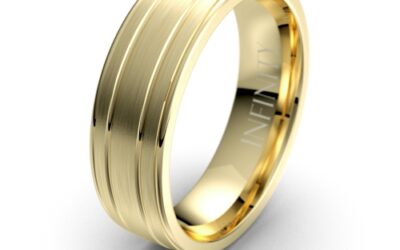
Here’s the thing most men miss: look at what jewellery your partner already wears. If everything’s silver-toned, white gold makes sense. If they wear gold jewellery, a yellow gold ring will suit perfectly.
Wedding Ring Width Changes Everything
Width affects how your ring looks and feels more than any other factor. Most guys don’t think about this until it’s too late.
Narrow rings (2-4mm) work beautifully on smaller hands, providing a classic, understated look. They’re also easier to get used to if you’ve never worn rings before. Medium width (4-6mm) hits the sweet spot for most people, enough presence without being chunky. This is why it’s the most popular choice for men’s wedding rings.
Wide rings (6mm and up) make a statement. They look impressive on larger hands and give you space for interesting textures or designs. However, they can feel bulky at first, and may not be practical in your workplace or private life activities.
The smart move? Try different widths on your actual finger. Five minutes in the shop can save you years of regret. We offer customisation services to ensure you find the ideally fitting wedding ring.
Plain or Textured
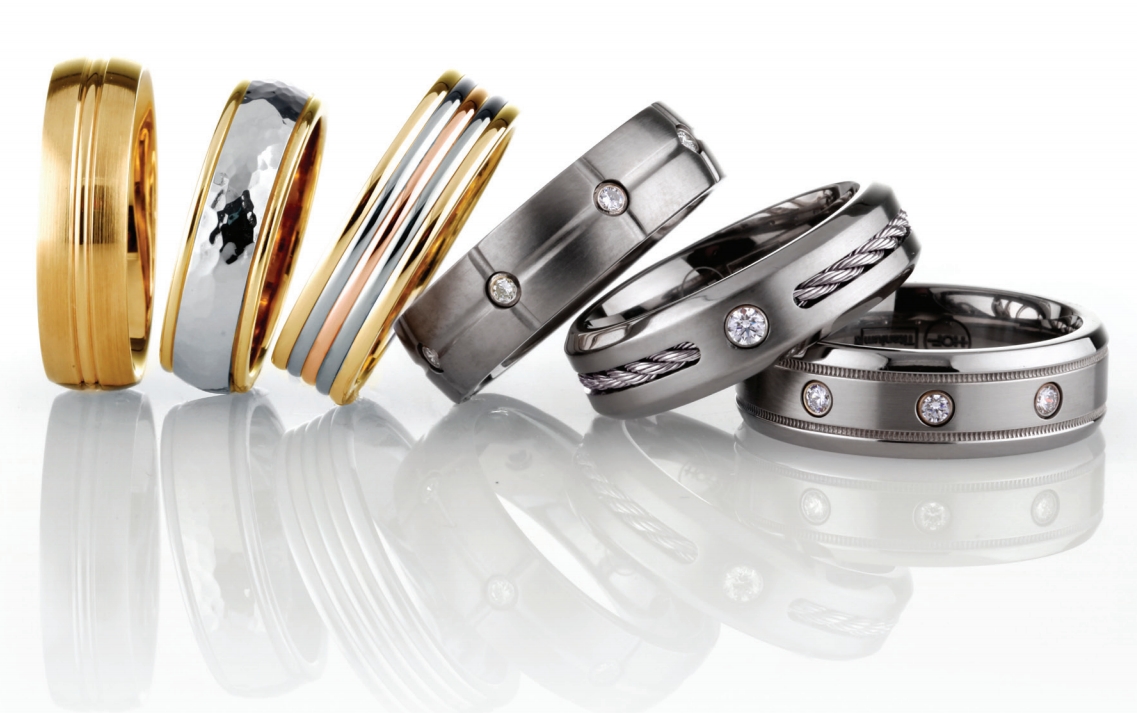
Plain bands are foolproof. They work with everything, look professional, and never go out of style. However, if you’re looking for something with more personality, incorporating textures like brushed finishes, hammer marks, or subtle patterns can transform an ordinary ring into something truly special.
Textured finishes also hide everyday scratches better than high-polish surfaces. After a few years of daily wear, this practical benefit really shows.
Wedding Ring Materials: What’s Worth Your Money
Most wedding rings are made of gold, but the type of gold used affects both the price and durability. 9ct gold (37.5% pure gold) is less expensive and more durable, making it a better choice for daily wear and tear. 18ct gold (75% pure gold) has richer colour and more prestige, but you’ll pay roughly double. 22ct gold gives you the richest colour but scratches more easily.
Platinum sits at the top end. It’s heavier, more durable, and won’t cause allergic reactions. Platinum also develops a natural patina over time that many people prefer to the high-polish look.
Modern alternatives, such as titanium and zirconium, offer unique looks and incredible durability. The catch? They can’t be resized, so you need perfect sizing from day one.
Looking After Your Wedding Ring
Daily care is simple: remove it for heavy work, clean it regularly with warm, soapy water, and store it safely when not in use. Professional maintenance involves annual cleaning and thorough inspection for any potential damage. White gold needs rhodium replating every few years to maintain that bright finish.
Should You Match Your Partner’s Ring?
Many couples coordinate their rings, either with identical designs or complementary styles that share the same metal or design themes. This creates a unified look that symbolises your partnership. Others prefer individual styles that reflect their personal taste while staying connected through shared elements, such as the choice of metal.
Avoiding Common Mistakes
Don’t choose style over comfort; you’ll regret it every day. Consider your lifestyle too. If you work with your hands, a low-profile ring in a durable metal makes more sense than something delicate and decorative. Take time with the decision. Rings can be resized, but significant changes are expensive and sometimes impossible.
What’s Popular Right Now
Current wedding ring trends favour brushed and matte finishes over high polish, mixed metals for visual interest, and vintage-inspired details. Sustainable and ethically sourced materials matter more to today’s couples, while personalised engraving adds meaningful touches.
We’ll Help You Make the Right Choice
Your perfect wedding ring strikes a balance between personal style, practical considerations, and high-quality materials within your budget. Focus on how the ring feels as much as how it looks—comfort trumps appearance when you’re wearing something every day.
Take time to try different options. We will help you understand the trade-offs between different materials and styles without pushing you toward the most expensive option.
Ready to find your wedding ring? Visit Holdsworth Bros to explore our collection of quality wedding rings.Â
Book an appointment and let our experts help you choose a ring that symbolises the true love you have for your partner.
Frequently Asked Questions
Can wedding rings be resized later?
Most gold and platinum wedding rings can be resized up or down by about two sizes, though this depends on the ring’s design and construction. Plain bands resize more easily than rings with stones or complex patterns. However, modern metals like titanium and zirconium cannot be resized, so accurate initial sizing is crucial.
How long should a quality wedding ring last?
A well-made wedding ring should last a lifetime with proper care. Gold and platinum rings can handle decades of daily wear, though they’ll show some scratches and patina over time. The key factors for longevity are proper thickness (minimum 1.2 mm), high-quality materials, and regular maintenance. Many couples pass down wedding rings through generations, demonstrating the durability of high-quality rings.
Should I insure my wedding ring?
Yes, especially for rings worth over $2000. Wedding ring insurance typically costs 1-3% of the ring’s value annually and covers loss, theft, and damage. Many home insurance policies include jewellery coverage, but be sure to check the limits and exclusions. Keep your receipt, any certificates, and photos for insurance purposes. Some insurers require professional appraisals for expensive jewellery, such as rings.