How to Upgrade Your Diamond – For Free

When purchasing diamonds, most buyers start with standard specifications: 1.00 carat, F colour, VS1 clarity, and “Triple Excellent” cut. While these grades indicate quality, certificates provide only part of the story. Two diamonds with identical specifications can appear remarkably different when viewed side by side.

This gap between technical grading and visual appeal has long challenged diamond buyers. Recognising why certain diamonds display superior brilliance despite matching certifications enables informed purchasing decisions that prioritise actual beauty over paperwork alone.

Why Some Diamonds Truly Dazzle

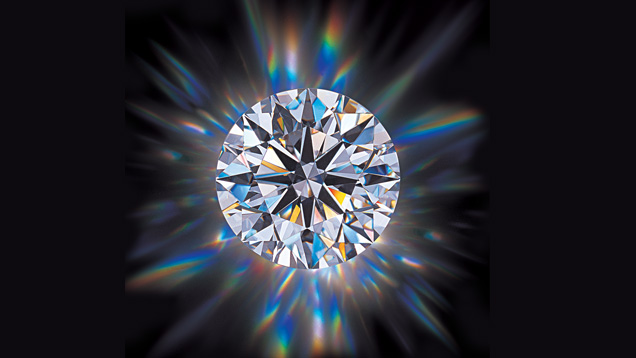
The difference lies in subtle variations that certificates don’t measure. Minor deviations in facet angles can dramatically affect how light travels through the stone. When these proportions align perfectly, the result is a diamond that captures light from every direction and returns it as flashes.

Holdsworth Bros evaluates diamonds based on their actual visual performance rather than relying solely on certification data.

The Cut Makes All the Difference

While colour and clarity count, it’s the cut that brings a diamond to life. A well-cut stone reflects light in bright flashes and colourful fire, which makes diamond jewellery truly stunning. Cut quality determines whether light entering the diamond returns to your eye as brilliance or leaks out the sides and bottom, creating a dull appearance.

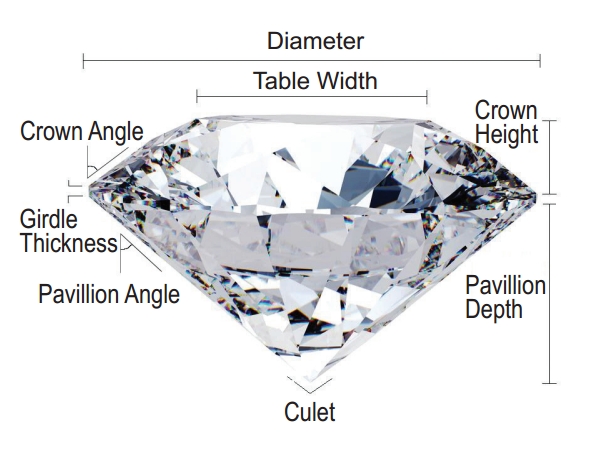
The geometry of a diamond’s cut follows precise mathematical principles. When light enters through the table, it should bounce between facets before returning to your eye. Poor proportions cause light leakage, while ideal proportions create total internal reflection.

Keep an eye out for stones with these ideal proportions:

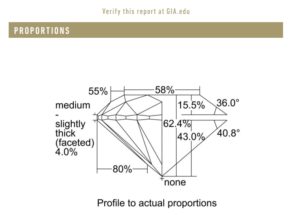
  • Table size: 54 to 58% – The flat top surface should cover roughly half the diamond’s width
  • Depth: 59 to 62.5% – Overall height relative to width affects light return
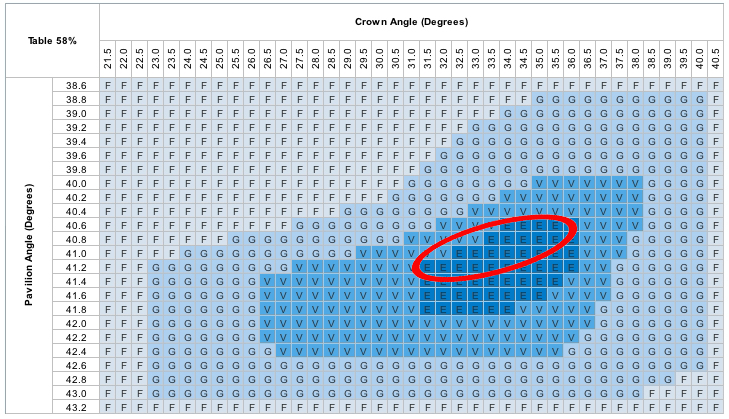
  • Crown angle: around 34.5° – The upper portion’s angle influences fire and brilliance
  • Pavilion angle: close to 40.6° – The lower portion’s angle is critical for light reflection

When these measurements align, the sparkle jumps out. It’s obvious, even to someone not trained in gemology.

Understanding Diamond Fluorescence

One factor often overlooked is fluorescence—a diamond’s reaction to ultraviolet light. About 35% of diamonds exhibit some fluorescence, typically appearing blue under UV lighting. While strong fluorescence can occasionally make a diamond appear cloudy, faint to medium fluorescence often enhances the apparent whiteness of lower colour grades.

This characteristic isn’t always noted prominently on certificates, yet it can significantly impact a diamond’s appearance in different lighting conditions when set in diamond jewellery.

What the 4Cs Really Mean

Here’s a simplified guide to the grading system:

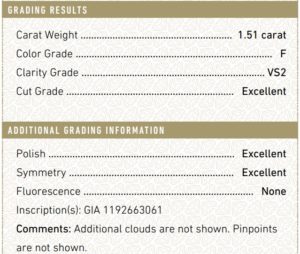
Carat (1.00 ct) This is weight, not size. One carat equals 0.2 g. Prices often jump at whole carat marks, particularly from 0.90ct to 1.00ct.

Colour (F) Graded from D (colourless) to Z (yellow). F is near colourless and appears white to most observers. The difference between D and F is virtually undetectable when set in jewellery.

Clarity (VS1) “Very Slightly Included 1” means small inclusions only visible under 10× magnification – not seen by the naked eye. VS1 represents the sweet spot for eye-clean appearance while avoiding premium pricing.

Cut (“Triple Excellent”) A top-tier GIA rating covering cut, polish, and symmetry. Even so, sparkle varies significantly within this grade, so always judge by eye. 1.00ct. The premium for crossing psychological thresholds can be substantial, sometimes 15 to 20% more for just 0.10ct additional weight.

The Science Behind Brilliance

Diamond brilliance results from three optical phenomena: brightness (white light return), fire (rainbow flashes), and scintillation (light and dark patterns as the stone moves). The best diamonds excel in all three areas, creating a mesmerising light show.

Modern light performance analysis uses advanced imaging to measure these properties objectively. However, human perception remains the ultimate judge of beauty.

How to Get Better Sparkle for the Same Price

Many retailers price Triple Excellent diamonds solely by certificate. But sparkle differs widely between stones, even at the same grade. By choosing with care, you can enjoy a shine without spending more. That’s your free upgrade.

Consider stones just below popular weight thresholds (0.95ct instead of 1.00ct) or with excellent cut quality in slightly lower colour grades. These strategic choices often deliver superior visual performance at a better value.

Beyond Paper: What Sparkle Really Means

Certificates indicate grading specs, but they don’t capture how a diamond performs visually. Two stones with identical certificates can look flat or dull in person. That’s why we evaluate each diamond in-hand for fire, brightness, and movement, not just paperwork.

Visual evaluation requires proper lighting and experience. Diamonds should be viewed under various light sources, including natural daylight, LED spotlights, and diffused indoor lighting, to understand their complete performance profile.

How We Select Only the Best Diamonds

We personally inspect every diamond we sell. They ensure each stone meets two criteria: excellent grade and exceptional visual performance. That’s the quality standard you can expect in our diamond jewellery range.

This dual approach, combining technical excellence with visual verification, ensures customers receive diamonds that deliver both peace of mind and genuine beauty.

Remember: cut controls beauty. The way facets are angled determines how a diamond plays with light. By choosing wisely and seeking expert advice, you can select a diamond that genuinely outperforms others at the same price.

Ready to see the difference for yourself? Visit our showroom or contact us today.

FAQs

1. What is the most important aspect when choosing a diamond?

The cut. It determines how much light the diamond reflects, making it sparkle brilliantly.

2. Do two diamonds with the same grade always look the same?

No. Even with similar specs, a well-cut stone can sparkle far more. Visual performance matters.

3. Can I get a brighter diamond without spending more?

Absolutely. By choosing a stone for its light return and brilliance, you’ll enjoy more beauty at the same price.

4. Why don’t certificates show actual sparkle?

They note technical attributes, not how the diamond behaves in light. Seeing the diamond in person reveals its true fire.

5. Why buy from a specialist rather than online?

Specialists like us handle and evaluate each stone for both sparkle and grade. We guide you to diamonds that genuinely shine.

Recent Posts

What Are The Rarest Diamonds Colours?

What Are The Rarest Diamonds Colours?

When you think of diamonds, the image of a sparkling, crystal-clear gem likely comes to mind. But every so often, nature creates something even more extraordinary—natural-coloured diamonds. These stunning gems, known as fancy-coloured diamonds, are true wonders of the...

Diamond Size Breakdown: How to Pick Between 1, 1.5, and 2-Carat Rings

Diamond Size Breakdown: How to Pick Between 1, 1.5, and 2-Carat Rings

Picking the perfect diamond size doesn’t have to be confusing, even when deciding between 1, 1.5, or 2 carats. As jewellers with generations of experience, we’re here to clear things up and guide you toward the diamond that matches your style and budget. Understanding...