

A sapphire’s depth and vibrancy make it a standout choice for an engagement ring. Many couples are drawn to its colour and history, yet still seek clarity about its origins and what defines a high-quality stone. Here is what to consider when choosing a sapphire.
What you need to know about Blue sapphire engagement rings
Blue sapphire engagement rings remain a trusted alternative to diamonds and have been worn by icons such as Princess Diana and Kate Middleton. Their durability and spectacular colour make them ideal for everyday wear, and we select royal blue stones that suit both simple and diamond-accented designs.
Why they suit engagement rings:
- Strong, distinctive colour
- Excellent hardness for daily wear
- Works well with a wide range of settings
- Enhances both modern and traditional designs
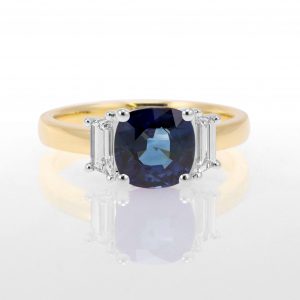
We love this sapphire because of the deep royal blue colour without being too dark. Its a huge stone too weighing 2.13ct and we have accented it with a pair of trapezoid cut diamonds weighing 0.42ct.
What are blue sapphires used for?
Blue sapphires are versatile gemstones used across many types of jewellery, including:
Sapphires belong to the mineral family corundum, which is a crystallised form of aluminium oxide. Corundum is one of the hardest natural minerals, ranking 9 on the Mohs scale, which explains why sapphires are so durable. Because of this hardness, synthetic corundum is also used for practical, high-performance applications, including:
- Watches and high-precision instruments
- Scanners and electronic components
- Laser systems
- Protective materials and specialist equipment
These uses highlight the sapphire’s strength, reliability and long-term value.
What are the benefits of wearing a blue sapphire?
A blue sapphire offers reliable strength and distinctive colour, making it an excellent gemstone for daily wear. Sapphires are highly scratch-resistant and can usually be resurfaced if they develop minor marks over time. With shades ranging from bright to deep royal blue, there is a style to suit every preference.
The meaning of blue sapphire engagement rings also adds to their appeal. Blue sapphires are traditionally associated with loyalty, honesty and sincerity, making them a fitting choice for an engagement ring.
Key benefits include:
- Stunning, stable colour
- One of the hardest gemstones suitable for everyday wear
- Minimal maintenance compared to softer coloured stones
- Symbolism that aligns with long-term commitment
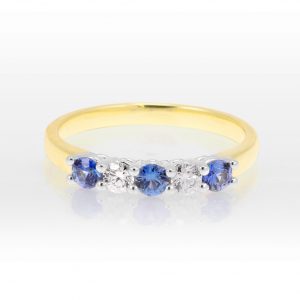
Sapphire Anniversary Band
How much does a blue sapphire ring cost?
At Holdsworth Bros., blue sapphire rings range from around $1,100 to $23,995 AUD. Prices depend on:
- Shape
- Colour and tone of the sapphire
- Cut quality
- Clarity and inclusions
- Accompanying diamonds
- Type of metal used
- Whether the stone has colour zoning
- Whether it has been heat-treated to improve colour
Stronger, more even colours with good saturation generally cost more.
Which country’s blue sapphire is the most valuable?
Sapphires are mined in many countries, including:
- Australia
- China
- Kenya
- Madagascar
- Tanzania
- Thailand
- United States
- Vietnam
The most valuable sapphires traditionally come from Kashmir, Burma and Sri Lanka, known for producing stones with exceptional colour and clarity. Notable examples include:
- The Bismarck Sapphire (98.56 ct)
- The Blue Belle of Asia (392.52 ct)
- The Logan Sapphire (422.99 ct)
- The Queen Marie of Romania (478.68 ct)
- The Star of Adam (1404.49 ct)
- The Stuart Sapphire (104 ct)
What is the most expensive blue sapphire?
The Blue Belle of Asia is the highest-priced sapphire sold at auction. This Burmese stone sold for over $17 million at Christie’s Geneva in 2014. Its large size, untreated colour and history contributed to its record-setting value.
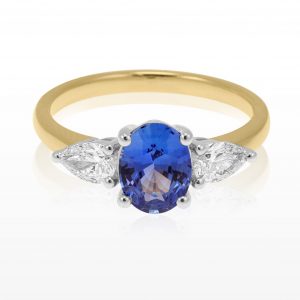
Blue Sapphire Ring
How can I tell if my blue sapphire is genuine?
Identification methods include:
- Fog test: Breathing on the sapphire and note how long it takes for the ensuing fog to dissipate. Natural gems take 1-2 seconds to clear up, whereas fakes take about 5 seconds.
- Bubble test: Checking for air bubbles inside of the sapphire, as fake sapphires tend to be made from glass in which air packets are able to form.
- Light reflection: Observing how light reflects from the sapphire, as real sapphires will only reflect light that shares its exact colour, whereas fakes will reflect any and all light.
If you have doubts, a professional assessment is recommended.
What to look for in a sapphire engagement ring
Choosing an engagement ring should reflect your partner’s style. Consider:
- A gemstone shape that suits their taste
- A setting that protects the gemstone
- Comfort and wearability
- Whether the stone and design suit daily use
The most important factor is selecting a ring that feels right for the wearer.
How can you tell a good quality sapphire?
High-quality blue sapphires share these characteristics:
- A colour close to royal blue, balanced and not too bright or too dark
- Minimal inclusions are visible to the naked eye
- Even colour distribution without strong zoning
- A symmetrical, well-executed cut
These traits help the sapphire show its best colour and brilliance.
Are dark blue sapphires valuable?
Dark blue sapphires are still valuable but are usually priced lower than mid-tone or royal blue stones. This shouldn’t discourage buyers who prefer deeper colours. Many dark stones are striking and make excellent engagement rings. A well-known dark sapphire is the blue-violet Star of Bombay, a historic 182-carat gem now held by the Smithsonian.
How to care for a sapphire engagement ring
Sapphires require little maintenance and should be cleaned every six months. To clean your ring:
- Use warm water and a degreasing detergent
- Gently scrub with a soft toothbrush
- Rinse thoroughly
Avoid detergents with moisturisers, abrasives or anti-static agents, as they can affect the metal.
Are sapphire rings fragile?
Sapphires are highly durable and well-suited to daily wear. With a hardness of 9 on the Mohs scale, they resist chips, scratches and most chemicals. This strength is one of the reasons sapphire engagement rings remain a practical long-term choice.
Can you wear a sapphire ring every day?
A sapphire’s hardness makes it ideal for everyday use. The ring should only be removed during tasks that expose it to strong chemicals or heavy impact. For regular day-to-day activities, a sapphire holds up exceptionally well.
How do I style a sapphire ring?
Blue sapphires work well with all metals: white, yellow, rose gold, and platinum. Diamonds complement sapphires by adding brightness and emphasising the stone’s colour. Diamond halos, side stones and band accents all work well with blue sapphires.
Holdsworth Bros. can guide you through styling options and help create a ring that suits your taste.
Can I use diamonds and sapphires in the same design?
Many engagement rings feature a sapphire centre stone surrounded by diamonds. The combination adds detail and enhances the sapphire’s natural colour.
Why are sapphires and diamonds a good match?
Diamonds have a neutral tone that contrasts with the sapphire’s blue hue, making the centre stone stand out. They also add structure and balance to the design, giving the ring a refined, finished look.
Blue sapphire engagement rings offer vibrant colour, durability and long-held symbolism. Their links to loyalty and sincerity make them a meaningful choice for an engagement ring.
Still have questions? Contact us so we can show you the wide range of beautiful blue sapphire engagement rings that we have, and help you find the special ring for that special someone.
FAQs
1. What is the meaning of blue sapphire engagement rings?
They symbolise loyalty, sincerity and long-term commitment. Blue sapphires have also been associated with honesty and clear communication, making them a meaningful choice for couples. Historically, they were worn by royalty as a sign of wisdom and protection, which adds depth to their significance today.
2. What is the difference between a purple sapphire and a blue sapphire?
Blue sapphires are more traditional and often brighter, while purple sapphires offer a more individual look and different symbolism. Blue sapphires display greater contrast when paired with diamonds, enhancing their brilliance. Purple sapphires tend to show greater tonal variation, giving each stone a more expressive, personal appearance.
3. Are blue sapphires durable for daily wear?
Yes. Their hardness makes them suitable for everyday use. Sapphires resist most scratches and abrasions, which helps them retain their polish over time. They also handle exposure to household products better than many other gemstones, although harsh chemicals should still be avoided.
4. How often should a blue sapphire engagement ring be cleaned?
Every six months, with occasional professional cleaning. Regular cleaning helps remove oils and residue that can dull the stone’s surface. A jeweller can also check the setting during cleaning to ensure the sapphire remains secure.
5. Are darker or lighter blue sapphires more valuable?
Lighter and mid-tone sapphires with intense saturation are usually more valuable than very dark stones. Darker sapphires can appear inky in low light, reducing their brightness and overall appeal. However, some people prefer deeper colours, and high-quality dark stones can still make a striking engagement ring.


