Choosing the Perfect Gold Engagement Ring: White vs. Yellow Gold

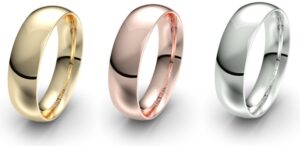
Trends come and go; good gold keeps its promise. Choosing between white and yellow gold comes down to tone, upkeep, and how you live. White gold brings a cool sheen but needs occasional rhodium; yellow gold gives a warm glow, and shrugs off scuffs. So, which gold suits you? Let’s find out!

Key takeaways

    1. Choose your colour first: Decide early whether a white gold or yellow gold engagement ring suits your skin tone, wardrobe and taste; rose gold is a stylish third option.
    2. Pick designs that match your lifestyle: Shortlist gold engagement ring designs that fit how you live—low profiles for active days, pavé or halo for extra sparkle, bezels for protection.
    3. Balance purity with practicality: 18ct gives a rich look; 14ct and 9ct add hardness and value. Choose the carat that suits your daily wear, appearance, and budget.

Why choose a gold engagement ring?

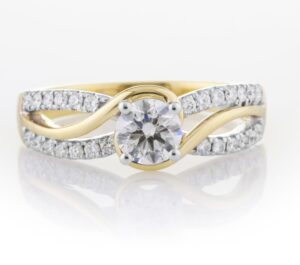
Gold is timeless, versatile and ideal for fine settings. It comes in yellow, white and rose tones, so you can shape the mood of your ring without changing the stone. Because gold is offered in different purities, you can also balance colour, durability and price. Whether your style leans vintage or modern, there’s a gold engagement ring to match.

When people search for gold engagement ring designs, they’re usually picturing how a setting looks in different metal colours. These classics cover most preferences:

Solitaire (understated icon)

A single centre stone on a plain band. Yellow gold feels warm and traditional; white gold looks clean and contemporary; rose gold reads soft and romantic.

Halo (maximum sparkle)

A rim of pavé stones magnifies the centre and adds a lively shimmer. Yellow or rose gold halos bring glow; white gold halos blend seamlessly with diamond brilliance.

Round (classic brilliance)

A perfectly symmetrical circle of facets that maximises sparkle; yellow gold feels warm and timeless, white gold looks crisp and bright, and rose gold adds a soft, romantic glow.

Pear Shape (teardrop elegance)

A rounded end tapering to a point that flatters and elongates the finger; yellow and rose gold add warmth and glow, while white gold sharpens the outline and brightness.

Princess Cut (bold geometry)

A square cut with sharp corners and brilliant facets that give intense sparkle and a contemporary edge. Yellow gold highlights its strong lines, white gold keeps the look crisp and clean, and rose gold softens the sharpness with warmth.

Emerald Cut (refined step-cut)

Rectangular step-cut facets that give clean flashes and a calm, glassy look; yellow gold brings vintage richness, white gold reads sleek and modern, and rose gold lends gentle warmth.

Practical tips: broader halos and bezels increase finger coverage; pavé adds sparkle but may catch on knits; lower-set profiles are glove- and gym-friendly.

White gold or yellow gold engagement ring: how to choose

If you’re weighing a white gold or yellow gold engagement ring, use these pointers:

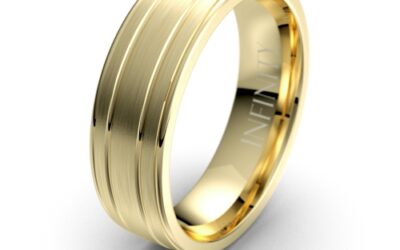
  • Style & colour: Yellow gold’s warm glow flatters vintage motifs, coloured gems and warmer skin tones. White gold delivers a cool, modern look that can make colourless diamonds appear icier and, to the eye, a touch larger.
  • Maintenance: White gold’s bright sheen comes from rhodium plating, which will wear and may need occasional replating. Yellow gold avoids plating and is easy to refresh with a professional polish.
  • Skin sensitivity: If you have sensitive skin, ask for nickel-free white gold alloys or consider yellow/rose gold.
  • Daily wear: All gold colours are suitable when the ring is well-made. If you’re hands-on, favour sturdier settings (protective claws or a bezel) and keep the profile low.

Understanding gold purity (carat) for rings

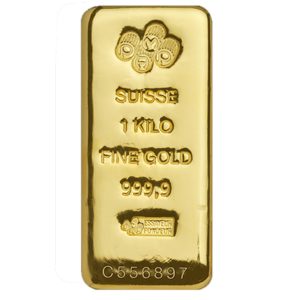
“Carat” for gold measures purity, not weight. Common options for a gold engagement ring include:

  • 18ct (75% gold): Luxurious colour and excellent wear; a fine-jewellery standard.
  • 14ct (58.5% gold): Balanced durability, pleasing tone and substantial value.
  • 9ct/10ct (37.5–41.7% gold): Paler hue and budget-friendly; robust when expertly crafted.

Simple rule: Higher carat brings richer colour and prestige; lower carat brings extra hardness from alloys and a keener price. Choose the purity that suits how you’ll wear the ring day to day.

How much does a gold engagement ring cost?

There’s no universal rule: ignore the old “two months’ salary” idea.

  • The biggest cost driver is the centre stone (size/carat, shape, cut quality, colour, clarity).
  • Craftsmanship and design complexity come next (e.g., pavé, halo, custom details).
  • Metal colour (yellow vs white) usually has a smaller impact on price than many expect.
  • Set a comfortable budget first; allocate most to the centre stone and a setting you’ll love daily.
  • A bespoke ring can be tailored to your budget with thoughtful design choices.

Care & maintenance tips for your gold engagement ring

  • At-home clean: Soak in warm water with a drop of mild washing-up liquid, brush gently with a soft toothbrush, rinse and pat dry.
  • Regular checks: Have claws and settings inspected yearly; book professional cleaning to restore sparkle.
  • White gold note: Expect occasional rhodium replating to keep the bright white finish.
  • Storage: Keep the ring in a soft pouch or separate box slot to avoid micro-scratches.

Find your perfect gold engagement ring

Discover our yellow, white (including nickel-free) and rose gold designs crafted and curated by Holdsworth Bros. Jewellers. In your one-on-one appointment, we will help you compare white vs yellow gold, choose the right carat and setting, and plan long-term care for your ring.

Ready to begin? Book your private engagement ring consultation or contact us today.

FAQs

1) Can engagement rings be gold?

Yes. Gold is the most popular metal for engagement rings because it’s beautiful, durable and offered in colours to suit every style.

2) Is white gold high-maintenance?

Not especially, but its rhodium plating will wear with time and may need refreshing depending on how often you wear the ring.

3) Which carat is best for everyday wear?

18ct and 14ct are popular for balancing richness with resilience; 9ct offers solid value and a paler hue. Pick the one that fits your routine and budget.

4) How do I decide between a white gold and a yellow gold engagement ring?

Try both in natural light. Yellow is warm and classic; white is cool and contemporary. Choose the colour that flatters your skin tone and makes your stone sing.


Recent Posts

What Are The Rarest Diamonds Colours?

What Are The Rarest Diamonds Colours?

When you think of diamonds, the image of a sparkling, crystal-clear gem likely comes to mind. But every so often, nature creates something even more extraordinary—natural-coloured diamonds. These stunning gems, known as fancy-coloured diamonds, are true wonders of the...

Diamond Size Breakdown: How to Pick Between 1, 1.5, and 2-Carat Rings

Diamond Size Breakdown: How to Pick Between 1, 1.5, and 2-Carat Rings

Picking the perfect diamond size doesn’t have to be confusing, even when deciding between 1, 1.5, or 2 carats. As jewellers with generations of experience, we’re here to clear things up and guide you toward the diamond that matches your style and budget. Understanding...